Cooking is both an art and a science, and the tools you use in the kitchen play a big role in the results you achieve. Among the most versatile and durable options available, cladded stainless steel pans stand out as a favorite choice for both professional chefs and home cooks. These pans offer a unique balance of strength, performance, and longevity, making them an essential part of any well-stocked kitchen.
In this article, we’ll explore what cladded stainless steel pans are, how they’re made, their benefits, and tips on how to care for them.
What is a Cladded Stainless Steel Pan?
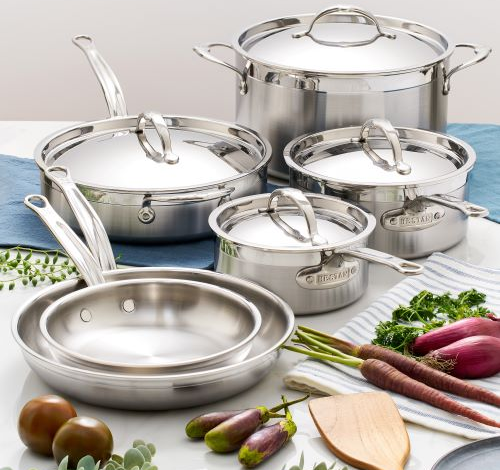
A cladded stainless steel pan is made using multiple layers of different metals that are bonded together. Unlike single-metal pans, these feature a “cladding” or layered construction that combines the best properties of each material.
The most common structure involves:
- Stainless steel exterior: Provides durability, resistance to corrosion, and a sleek, polished look.
- Aluminum or copper core: Ensures even heat distribution and prevents hot spots.
- Stainless steel interior cooking surface: Safe for food contact, non-reactive with acidic or alkaline ingredients, and easy to clean.
This combination allows cooks to enjoy the durability of stainless steel with the excellent heat conductivity of aluminum or copper.
How Cladding Improves Cooking Performance
Cladding significantly enhances the way a pan performs in the kitchen. Here are the main reasons why:
- Even Heat Distribution
A major challenge with single-metal cookware is uneven heating, which can cause food to burn in some spots while remaining undercooked in others. The aluminum or copper layer in a cladded pan spreads heat quickly and evenly across the surface, minimizing this issue. - Heat Retention
Once heated, cladded pans hold temperature well, making them excellent for searing meats, simmering sauces, or keeping food warm until serving. - Responsive to Temperature Changes
When you adjust the heat on the stove, cladded pans respond quickly, giving you better control while cooking delicate foods like fish, eggs, or caramel sauces. - Non-Reactive Cooking Surface
Stainless steel doesn’t react with acidic ingredients like tomatoes, vinegar, or citrus. This means your food retains its natural flavor without any metallic taste.
Advantages of Using Cladded Stainless Steel Pans
1. Durability
Stainless steel is highly resistant to rust, corrosion, and staining. Combined with sturdy construction, cladded pans can last for decades when properly cared for.
2. Versatility
These pans work well on nearly every type of stovetop, including gas, electric, induction, and even in the oven. They’re equally capable of browning meats, simmering soups, or making delicate reductions.
3. Low Maintenance
Unlike cast iron or carbon steel, cladded stainless steel does not require seasoning. Simple cleaning methods are usually enough to restore its shine.
4. Aesthetics
Polished stainless steel pans look elegant and professional, making them an attractive addition to any kitchen.
5. Health and Safety
The stainless steel interior ensures that food is not exposed to harmful chemicals or coatings. Unlike nonstick pans, you don’t have to worry about flaking or peeling surfaces.
Common Uses of Cladded Stainless Steel Pans
Cladded pans are extremely versatile. Here are some of their most common uses:
- Searing meats: The heat retention makes them ideal for creating a golden-brown crust on steaks or chicken.
- Sauce making: Their responsiveness to heat changes allows precise control, perfect for reductions or emulsions.
- Pan-frying: From vegetables to fish, the even heat ensures consistent results.
- Deglazing: After browning, adding liquid releases flavorful bits from the pan, forming the base of delicious sauces.
- Oven finishing: Many cladded pans are oven-safe, allowing seamless transitions from stovetop to oven.
Choosing the Right Cladded Pan
When shopping for a cladded stainless steel pan, consider the following factors:
- Number of Layers (Ply)
- 3-ply pans typically feature stainless steel-aluminum-stainless steel.
- 5-ply or higher may include additional layers of aluminum or copper for better performance and durability.
- Weight and Thickness
Heavier pans usually perform better, as they retain heat more efficiently and resist warping. However, they may be more difficult to handle. - Handle Design
Look for riveted, ergonomic handles that stay cool on the stovetop. Comfort and safety are important for daily use. - Size and Shape
Skillets, sauté pans, and saucepans all come in cladded versions. Choose based on the types of cooking you do most often.
Caring for Cladded Stainless Steel Pans
With proper care, these pans can remain in excellent condition for decades. Here are some tips:
- Preheat before cooking: Allow the pan to heat for a minute or two before adding oil or food. This helps reduce sticking.
- Use medium heat: High heat is rarely necessary and may cause discoloration over time.
- Avoid metal scouring pads: Use soft sponges or nylon scrubbers to prevent scratching the surface.
- Remove stains with gentle cleaners: Baking soda or specialized stainless steel cleaners work well for stubborn spots.
- Dry thoroughly: Prevent water spots by drying immediately after washing.
- Oven use: Ensure the handle is oven-safe before placing in high heat.
Potential Drawbacks
While cladded stainless steel pans have many advantages, it’s worth noting some potential downsides:
- Weight: High-quality cladded pans can be heavy, making them harder to handle for some cooks.
- Price: They tend to be more expensive than single-material cookware, though their longevity often justifies the investment.
- Learning curve: Food may stick if the pan isn’t preheated properly or if cooking techniques aren’t followed.
Are Cladded Stainless Steel Pans Worth It?
For most home cooks and professionals, the answer is yes. They offer the perfect balance of durability, versatility, and performance. While the upfront cost may be higher, the long lifespan and superior cooking results make them a worthwhile investment.
Cladded stainless steel pans are particularly valuable if you enjoy cooking a variety of dishes, appreciate precise heat control, and want cookware that will last a lifetime.
Final Thoughts
A cladded stainless steel pan is more than just a piece of cookware—it’s a reliable partner in the kitchen. With its multi-layer construction, it brings together the best of both worlds: the strength and durability of stainless steel, and the excellent heat distribution of aluminum or copper. From searing and sautéing to simmering and sauce-making, these pans can handle it all.
By choosing the right cladded pan and taking good care of it, you’ll enjoy consistent, professional-level results for years to come. Whether you’re an experienced chef or a home cook looking to upgrade your kitchen tools, investing in cladded stainless steel cookware is a decision you won’t regret.